The Hiking Man Hikes New Hampshire

The Urban Trail Hiker
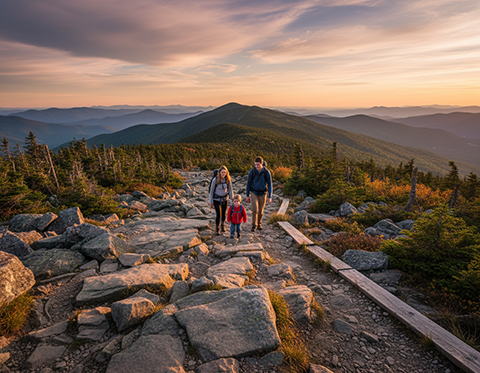
Hiking in New Hampshire is a thrilling experience, especially for those who love mountain terrain, alpine forests, and sweeping summit views. The state is home to the iconic White Mountains, where the Presidential Range and Mount Washington—the highest peak in the Northeast—challenge hikers with rugged trails and unpredictable weather. Trails like the Franconia Ridge Loop and Arethusa Falls Trail offer unforgettable views of ridgelines, waterfalls, and autumn foliage. The Appalachian Trail also cuts through the state, providing some of its most difficult and scenic segments. Whether you’re scaling rocky peaks or walking wooded paths in the Lakes Region, New Hampshire’s trails offer a powerful mix of beauty, solitude, and adventure.

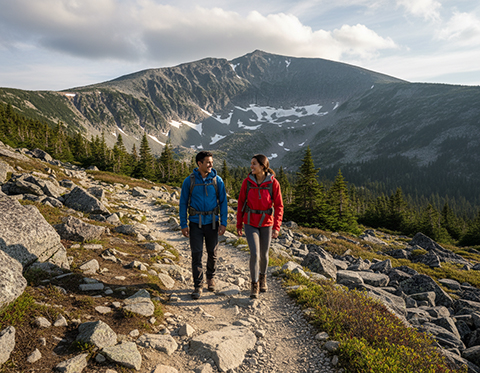
Mount Washington via Tuckerman Ravine Trail

Hiking the Mount Washington via the Tuckerman Ravine Trail is one of the most iconic and demanding mountain adventures in the northeastern United States. Beginning near the Pinkham Notch Visitor Center in the White Mountain National Forest, the trail starts beneath a dense canopy of spruce and fir trees alongside the rushing Cutler River. The lower sections offer a steady climb through rocky forest terrain before opening into the dramatic bowl-shaped landscape of Tuckerman Ravine itself. Massive rock walls rise above the alpine basin, creating a rugged and almost glacial appearance that feels far removed from the surrounding New England forests. During spring and early summer, hikers often encounter lingering snowfields while watching skiers descend the steep ravine slopes.
 Tuckerman Ravine Trail

As the climb continues above the ravine, the trail becomes increasingly steep, rocky, and exposed to the famous weather of Mount Washington. The mountain is known for some of the harshest weather conditions in the world, and conditions can change rapidly even during summer. Hikers frequently experience powerful winds, dense fog, sudden temperature drops, and slick rock surfaces near the summit cone. The ascent above Tuckerman Ravine requires careful footing as the trail zigzags upward across boulder fields and granite ledges. Despite the difficulty, the views become more spectacular with every step, revealing sweeping panoramas of the Presidential Range, alpine ridges, and distant valleys stretching across New Hampshire and into neighboring states.

Reaching the summit of Mount Washington at 6,288 feet is both exhilarating and rewarding. At the top, hikers are greeted by a unique combination of wilderness and history, including the famous summit buildings, observatory, cog railway, and auto road. On clear days, visibility can extend for more than 100 miles, showcasing the vast beauty of the northern Appalachian Mountains. Many hikers choose to descend using the Lion Head Trail to create a loop route that avoids the steepest sections of Tuckerman Ravine. The hike is physically demanding and requires preparation, sturdy footwear, layered clothing, food, and plenty of water, but for many outdoor enthusiasts it remains one of the premier hiking experiences in the eastern United States.

Franconia Ridge Loop (Lafayette and Lincoln)

The Franconia Ridge Loop is widely regarded as one of the most spectacular day hikes in the northeastern United States. Located within Franconia Notch State Park in the heart of the White Mountains, the loop combines rugged alpine terrain with some of the finest panoramic ridge walking in New England. Most hikers begin at the Lafayette Place trailhead and ascend the Falling Waters Trail, which follows a lively mountain stream past a series of waterfalls and cascades. The steady climb through dense evergreen forest gradually transitions into open alpine terrain as the trail approaches Little Haystack Mountain, where hikers are suddenly rewarded with breathtaking views above the treeline.
 Franconia Ridge Loop

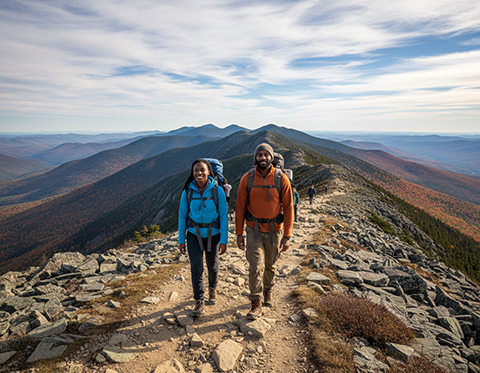
The most memorable portion of the hike is the extended ridge walk along the Franconia Ridge itself. The trail traverses the exposed summits of Little Haystack, Mount Lincoln, and Mount Lafayette, offering nearly continuous views in every direction. On clear days, hikers can see deep into the valleys of northern New Hampshire, across neighboring mountain ranges, and even toward distant peaks in Vermont and Maine. The narrow alpine path, bordered by low tundra vegetation and dramatic drop-offs, creates a feeling of walking high above the surrounding wilderness. Because much of the route is fully exposed, hikers must be prepared for rapidly changing weather, strong winds, and intense sun exposure.

After reaching Mount Lafayette, the loop descends via the Greenleaf Trail, passing near the historic Greenleaf Hut before returning to the valley floor. The descent can be steep and rocky, especially after rain, but the changing perspectives of the ridge continue to provide impressive scenery throughout the journey. Although the Franconia Ridge Loop is considered strenuous due to its elevation gain and rugged footing, it remains one of the most rewarding hikes in the White Mountains. The combination of waterfalls, alpine ridges, sweeping mountain views, and classic New England wilderness makes this trail a bucket-list adventure for hikers visiting the region.

Mount Monadnock Trail

Hiking Mount Monadnock is one of the classic outdoor experiences in New Hampshire and has long been popular with hikers from across New England. Rising prominently above the surrounding countryside, Mount Monadnock is often regarded as one of the most climbed mountains in the world because of its accessibility and impressive summit views. Several trails lead to the top, with the White Dot Trail and White Cross Trail being among the most frequently used routes. The hike begins in peaceful hardwood forest filled with pine, birch, and maple trees before gradually becoming steeper and rockier as elevation increases. Along the way, hikers encounter exposed granite slabs, twisting roots, and scenic overlooks that provide glimpses of the valleys below.
 Mount Monadnock Trail

One of the defining features of Mount Monadnock is the dramatic transition from forest to open rock near the summit. The upper slopes are largely bare granite, giving hikers unobstructed views and a sense of climbing into the sky. On clear days, the summit panorama stretches across much of New England, including views into Massachusetts, Vermont, and beyond. The exposed terrain can make the mountain feel much larger and more rugged than its 3,165-foot elevation might suggest. Windy conditions, rapidly changing weather, and icy rocks during colder months can add to the challenge, so proper footwear and layered clothing are important even on relatively short hikes.

The summit of Mount Monadnock offers a rewarding destination for both beginner and experienced hikers. Large granite ledges provide plenty of space to rest, enjoy a meal, and take in the surrounding mountain scenery. Because the mountain is so accessible from cities like Boston and southern New Hampshire, the trails can become crowded on weekends and during fall foliage season. Early morning hikes are especially popular because they offer cooler temperatures, quieter trails, and opportunities to watch the sunrise illuminate the forests and hills below. Whether visited during the vibrant colors of autumn, the lush greenery of summer, or the snowy beauty of winter, Mount Monadnock remains one of New England’s most beloved hiking destinations.

Arethusa Falls Trail

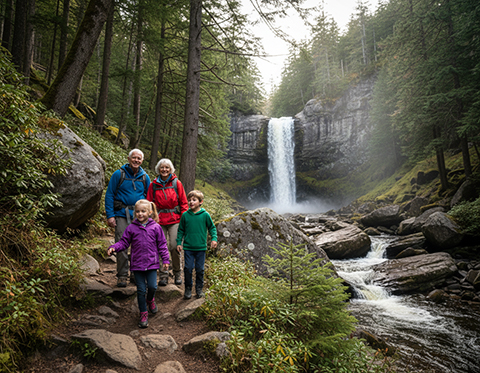
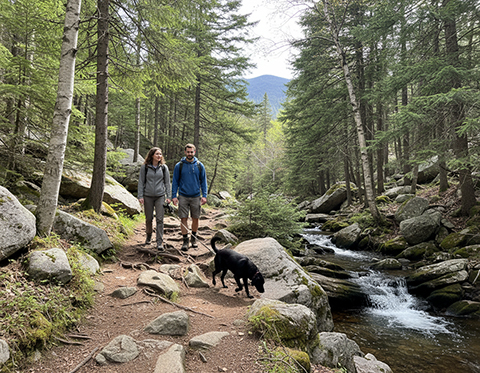
The Arethusa Falls Trail is one of the most popular waterfall hikes in the White Mountains and offers a rewarding outdoor experience for hikers of many skill levels. Located near Crawford Notch State Park, the trail winds through a peaceful forest of spruce, fir, and hardwood trees while gradually climbing toward one of the tallest waterfalls in New Hampshire. The path is relatively moderate, making it accessible for families and casual hikers, though there are rocky and uneven sections that require careful footing. Along the way, hikers cross small streams, pass moss-covered boulders, and enjoy the cool, shaded atmosphere created by the dense mountain forest.
 Arethusa Falls Trail

As hikers ascend through the enchanting landscape, they traverse rocky ridges, navigate crystal-clear streams, and pass beneath towering cliffs adorned with cascading waterfalls. The trail meanders through dense forests of fir and pine, offering glimpses of wildlife such as mountain goats and marmots amidst the rugged terrain. Along the way, the scenery becomes increasingly dramatic, with each turn revealing new vistas of jagged peaks, pristine lakes, and glaciers clinging to the mountainsides.

During autumn, the Arethusa Falls Trail becomes even more spectacular as vibrant red, orange, and yellow foliage transforms the surrounding mountainsides. Winter also attracts adventurous hikers, as the frozen waterfall creates an enormous wall of blue and white ice that is popular with ice climbers. Conditions can become slippery during colder months, and traction devices are often recommended for snow and ice. Despite its relatively short distance, the hike provides a classic White Mountains experience filled with forest scenery, mountain air, and one of the region’s most beautiful natural landmarks. For many visitors exploring northern New England, hiking to Arethusa Falls is a memorable and rewarding outdoor adventure.

Welch and Dickey Loop

The Welch and Dickey Loop Trail is one of the most enjoyable moderate hikes in the White Mountains, offering a perfect combination of forest walking, exposed granite ledges, and sweeping mountain views. Located near the town of Waterville Valley, the loop begins with a gentle climb through a quiet woodland filled with pine, birch, and maple trees. The trail soon becomes steeper as hikers ascend toward Welch Mountain, where smooth granite slabs emerge from the forest and provide increasingly dramatic views of the surrounding valleys and ridges. The open ledges give the hike a much bigger mountain feel than its relatively moderate elevation might suggest.
 Welch and Dickey Loop

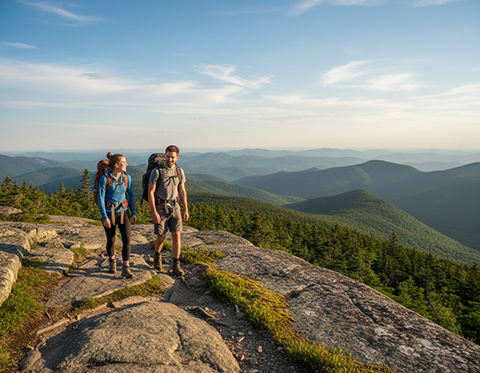
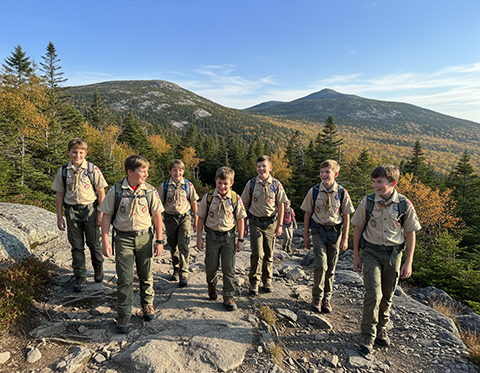
One of the highlights of the Welch and Dickey Loop is the long stretch of exposed rock that connects the two summits. Hikers carefully navigate across wide granite surfaces that can become slippery when wet, adding a bit of excitement to the journey. Along the ridge, panoramic views extend across the mountains of central New Hampshire, including distant peaks of the White Mountain range. During autumn, the scenery becomes especially impressive as forests below the ridge glow with brilliant shades of red, orange, and gold. The combination of open sky, mountain air, and rocky terrain makes the hike feel rugged and adventurous while still remaining accessible to many experienced casual hikers.

After crossing the ridge from Welch Mountain to Dickey Mountain, the trail descends back into the forest and loops toward the trailhead. The descent offers additional scenic overlooks and quieter wooded sections where hikers can appreciate the peaceful atmosphere of the area. Because much of the route is exposed, sunny summer days can become hot, while windy or rainy conditions may make the granite surfaces hazardous. Proper footwear and attention to weather conditions are important for a safe and enjoyable trip. Despite its moderate length, the Welch and Dickey Loop delivers an outstanding White Mountains hiking experience packed with scenic variety, rewarding viewpoints, and classic New England mountain scenery.

Mount Chocorua via Champney Falls Trail

Hiking Mount Chocorua via the Champney Falls Trail is one of the most scenic and beloved mountain hikes in the White Mountains. The trail begins in a peaceful forest near the Kancamagus Highway and gradually climbs through a landscape filled with towering pines, moss-covered rocks, and flowing streams. Early in the hike, many visitors take a short side trail to view the beautiful Champney Falls and nearby Pitcher Falls. These cascading waterfalls provide a refreshing and picturesque stop before the trail continues upward toward the summit. The lower sections of the route are shaded and relatively moderate, making the early part of the hike pleasant even during warm summer weather.
 Champney Falls Trail

As hikers gain elevation, the terrain becomes steeper and more rugged, eventually emerging from the forest onto exposed granite ledges. The upper slopes of Mount Chocorua are famous for their dramatic open rock faces and expansive mountain views. The summit cone rises sharply above the surrounding wilderness and creates one of the most recognizable mountain profiles in New Hampshire. Hikers carefully climb across granite slabs and rocky ledges while enjoying panoramic views of forests, lakes, and distant mountain ranges. Because the summit area is highly exposed, weather conditions can change quickly, and strong winds or rain can make the rocky surfaces slippery and challenging.

Reaching the summit of Mount Chocorua is a memorable reward that draws hikers back year after year. The nearly 360-degree views from the top stretch across the White Mountains, the Lakes Region, and surrounding valleys, creating one of the finest summit panoramas in New England. During autumn, the mountain becomes especially popular as colorful foliage blankets the hills below in brilliant shades of red, orange, and gold. The combination of waterfalls, forest trails, rugged granite climbing, and spectacular summit scenery makes the Champney Falls route one of the classic hiking adventures in the Northeast. Whether visited in summer, fall, or under crisp early morning skies, Mount Chocorua offers a challenging and unforgettable mountain experience.

Mount Pierce (via Crawford Path)

Hiking Mount Pierce via the Crawford Path is a classic White Mountains adventure that combines rich hiking history with beautiful alpine scenery. The Crawford Path is recognized as the oldest continuously maintained hiking trail in the United States, adding a sense of tradition and heritage to the journey. Beginning near Crawford Notch State Park, the trail climbs steadily through peaceful forests of spruce, fir, and birch while passing streams, mossy rocks, and occasional mountain viewpoints. The ascent is moderate compared to some of the steeper Presidential Range hikes, making Mount Pierce a popular destination for hikers seeking a rewarding mountain experience without extremely technical terrain.
 Mount Pierce Crawford Path

As the trail gains elevation, the forest gradually thins and the scenery opens into classic alpine terrain. Near the summit area, hikers emerge above treeline where low shrubs, exposed rock, and sweeping mountain views dominate the landscape. One of the greatest rewards of hiking Mount Pierce is the spectacular perspective of the surrounding Presidential Range, including impressive views of Mount Washington and neighboring peaks. The summit itself is slightly wooded, but nearby outlooks provide wide panoramas across the mountains and valleys of New Hampshire. During clear weather, the ridgelines seem to stretch endlessly across the horizon, while shifting clouds and mountain winds create a dramatic alpine atmosphere.

The hike to Mount Pierce is especially popular during autumn, when vibrant fall foliage transforms the lower forests into a sea of red, orange, and gold. In winter, the trail becomes a favorite for snowshoeing and winter hiking, though deep snow and icy conditions require additional preparation and proper gear. Because the Crawford Path is relatively well-maintained and less rugged than some nearby routes, it is often recommended as an excellent introduction to hiking in the Presidential Range. The combination of historic trails, changing forest scenery, alpine views, and mountain solitude makes Mount Pierce one of the most enjoyable and accessible high-peak hikes in the White Mountains.

Lonesome Lake Trail (Franconia Notch)

Hiking the Lonesome Lake Trail in Franconia Notch State Park is one of the most rewarding shorter hikes in the White Mountains. The trail begins near Lafayette Place Campground and climbs steadily through a cool forest filled with spruce, fir, and hardwood trees. Although the ascent is moderately steep in sections, the trail is well maintained and accessible for many hikers with reasonable fitness levels. Along the way, hikers encounter rocky sections, wooden bridges, and occasional openings in the trees that hint at the mountain scenery waiting ahead. The peaceful forest setting and the sound of birds and nearby streams create a calm and relaxing atmosphere throughout the climb.
 Lonesome Lake Trail

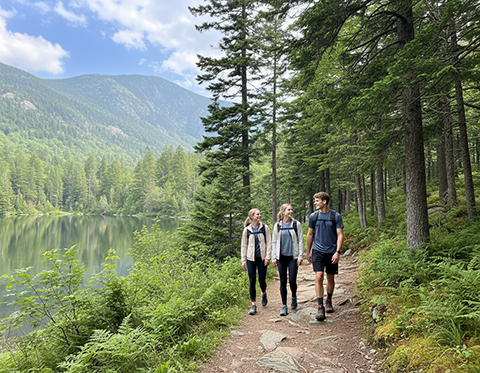
The highlight of the hike is reaching Lonesome Lake, a beautiful mountain lake resting beneath the towering cliffs of Cannon Mountain and the Franconia Ridge. The lake’s still waters often reflect the surrounding peaks, creating one of the most picturesque scenes in northern New Hampshire. Near the shoreline sits the historic Lonesome Lake Hut, one of the Appalachian Mountain Club’s well-known mountain huts. Many hikers stop here to relax, enjoy a snack, or take photographs while soaking in the alpine scenery. The combination of forest trails, mountain views, and lakeside beauty makes the destination feel much more remote and rugged than its relatively short distance from the trailhead.

During summer, the trail is popular with families, casual hikers, and backpackers exploring the Franconia Notch area. In autumn, colorful foliage reflects across the lake, creating spectacular scenery that attracts photographers and leaf peepers from across New England. Winter transforms the area into a snowy wilderness where snowshoers and winter hikers enjoy frozen landscapes and quiet forest conditions. Because the trail can become icy and slippery during colder months, traction devices are often recommended. Whether visited during the warmth of summer or the snowy calm of winter, the Lonesome Lake Trail offers a classic White Mountains experience with stunning scenery, accessible hiking, and a peaceful mountain atmosphere.

Baldface Circle Trail (North and South Baldface)

Hiking the Baldface Circle Trail is one of the most dramatic and scenic loop hikes in the eastern White Mountains. Located near the border of New Hampshire and Maine in the Evans Notch region, the trail is known for its rugged terrain, exposed granite ridges, and spectacular mountain views. The route begins in a quiet forest where hikers gradually climb through hardwood and evergreen trees before reaching the steep ledges leading toward South Baldface. As the elevation increases, the trail becomes more challenging, with rocky scrambles and open granite slabs that require careful footing and confidence on exposed terrain.
 Baldface Circle Trail

The most memorable section of the Baldface Circle Trail is the extended ridge walk across broad open ledges between South Baldface and North Baldface. Unlike many forested mountain hikes in New England, large portions of the trail remain above the trees, creating nearly nonstop panoramic views in every direction. Hikers can look out across endless mountain ridges, dense forests, and remote valleys stretching into western Maine and northern New Hampshire. On clear days, the exposed granite shines brightly under the sun and gives the landscape a wild, alpine feeling rarely found in the Northeast. Because much of the route is fully exposed, weather conditions play a major role in the hike, and rain or strong winds can make the granite surfaces slippery and hazardous.

After traversing the ridge, the trail descends through quieter wooded sections that provide a contrast to the open mountaintops. The loop eventually returns to the valley floor after passing streams, mossy forest areas, and occasional viewpoints hidden among the trees. During autumn, the Baldface region becomes especially breathtaking as colorful foliage spreads across the surrounding mountainsides. The combination of exposed scrambling, dramatic ridgeline scenery, and remote wilderness atmosphere makes the Baldface Circle Trail a favorite among experienced hikers seeking a more adventurous White Mountains experience. Although physically demanding, the hike rewards visitors with some of the finest and most continuous mountain views in New England.

Flume Gorge Trail

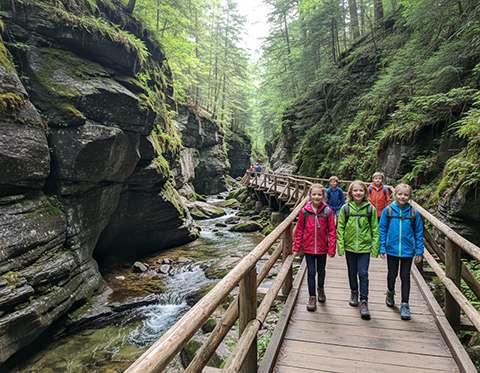
Hiking the Flume Gorge Trail in Franconia Notch State Park is one of the most unique and family-friendly outdoor experiences in the White Mountains. The trail follows a scenic loop through a dramatic natural gorge carved into towering granite walls that rise nearly 90 feet above the rushing water below. Wooden boardwalks attached to the rock walls guide visitors through the narrow canyon, allowing hikers to walk beside waterfalls, swirling pools, and moss-covered stone formations. The cool mist, shaded environment, and sound of flowing water create a refreshing atmosphere, especially during warm summer days. Unlike many rugged mountain hikes in New Hampshire, the Flume Gorge Trail is more accessible and focuses on scenic geological features rather than steep elevation gains.
Flume Gorge Trail

As hikers continue through the gorge, they encounter several impressive natural attractions beyond the narrow canyon itself. Covered bridges, cascading waterfalls, and dense forests add variety to the route and showcase the beauty of the surrounding mountain landscape. One highlight is Avalanche Falls, where water tumbles dramatically over smooth granite boulders into a rocky basin below. The trail also passes through quiet stretches of forest filled with ferns, towering pines, and the sounds of wildlife. Informational signs along the path explain the geological history of the gorge and how glaciers and water erosion shaped the landscape over thousands of years. The combination of scenic beauty and educational opportunities makes the trail popular with visitors of all ages.

During autumn, the Flume Gorge becomes especially stunning as colorful fall foliage frames the cliffs and waterfalls with vibrant shades of red, orange, and yellow. The contrast between the rushing water, dark granite walls, and bright forest colors creates one of the most photographed scenes in New Hampshire. In rainy weather, the waterfalls become even more dramatic, though the boardwalks and stone surfaces can become slippery. Whether explored as a relaxing nature walk or as part of a broader White Mountains adventure, the Flume Gorge Trail offers an unforgettable experience filled with natural beauty, fascinating geology, and peaceful mountain scenery.